Choosing the right tiles is one of the most important steps in any home renovation. Tiles influence not only the appearance of a space, but also its durability, safety, and long-term maintenance.
Homeowners researching renovation ideas often ask similar questions before deciding on tile materials, sizes, and finishes. Below are some of the most common questions tile experts hear, along with practical answers to help guide your renovation decisions.
What is the difference between porcelain and ceramic tiles?

Porcelain tiles are produced using refined clay and fired at higher temperatures than ceramic tiles. This process creates a denser and more durable material that is highly resistant to moisture, stains, and scratches.
Because of these qualities, porcelain tiles are often recommended for high-traffic areas such as living rooms, kitchens, bathrooms, and even outdoor spaces.
Collections like Gravity by Niro Granite showcase the durability of porcelain tiles while replicating the natural textures of stone.

Are large-format tiles suitable for modern homes?
Large-format tiles have become increasingly popular in contemporary interior design because they create a seamless and spacious appearance. With fewer grout lines, floors and walls appear cleaner and more refined.
Tiles such as Vogue Grande and Zirconio slabs allow homeowners to achieve a more expansive look, making them suitable for open-plan living areas and modern interiors.
What tiles work best for bathrooms?
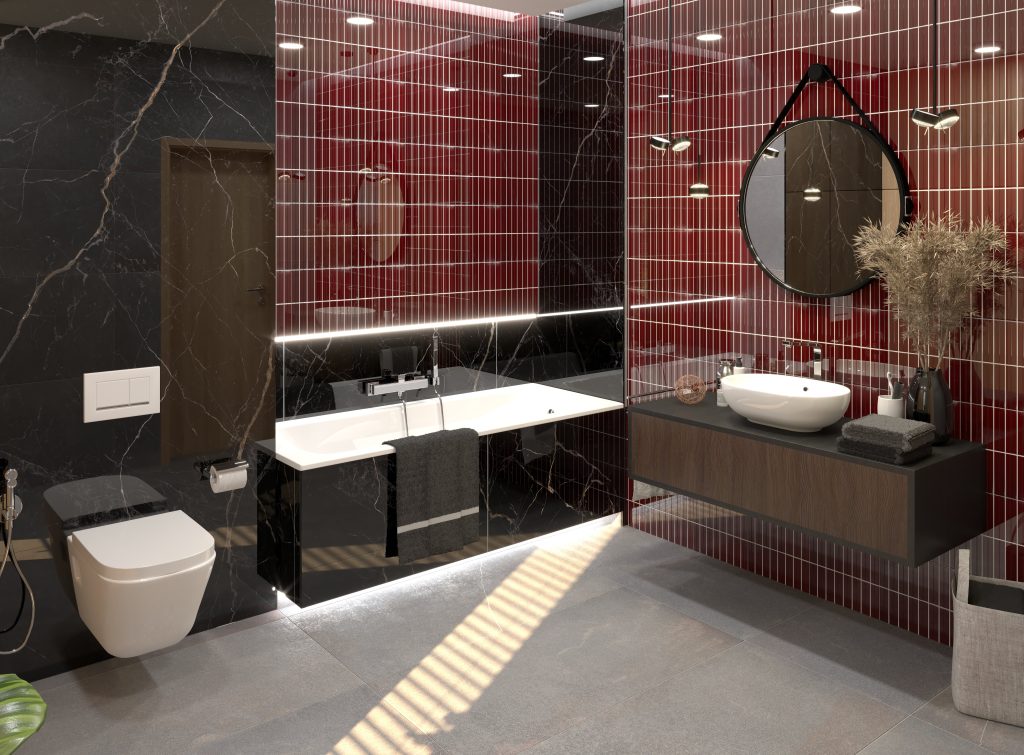
Bathroom tiles need to be moisture-resistant, durable, and easy to maintain. Porcelain tiles are often the preferred choice because they handle humidity and frequent water exposure well.
Stone-inspired surfaces such as Gravity by Niro Granite create a calm, spa-like environment while offering practical performance for wet areas. Selected designs within the collection are also available with Slip Stop® technology, providing enhanced slip resistance for safer bathroom floors.
To introduce decorative elements, mosaic tiles such as Muzze Da Metro can be used for shower niches, feature walls, or vanity backsplashes, adding visual texture while complementing larger tile surfaces.


Are slip-resistant tiles necessary at home?
Slip-resistant tiles are recommended for areas where water exposure is common. Bathrooms, balconies, patios, and outdoor walkways benefit from surfaces that provide better grip.
Choosing tiles with textured finishes or higher slip resistance helps reduce the risk of accidents while maintaining a stylish appearance.
Can tiles be used for kitchen walls and backsplashes?
Tiles are one of the most popular materials for kitchen backsplashes because they are heat-resistant, easy to clean, and visually versatile.
For homeowners seeking a sleek and contemporary kitchen surface, Zirconio Stone offers a refined option. Crafted as a sintered stone surface with full-body and through-body veining, it faithfully recreates the beauty of natural stone while delivering excellent durability, stain resistance, and heat tolerance, making it ideal for walls, backsplashes and even kitchen countertops.
To introduce decorative accents, mosaic tiles such as Muzze Da Metro can be used for smaller backsplash sections or feature walls, adding texture and pattern while complementing larger stone surfaces.

What tile colours make a space look larger?

Light and neutral tones are often recommended when homeowners want to make a room feel more open.
Soft greys, warm beige tones, and natural stone colours reflect more light and help create a brighter environment. Collections like Gravity feature organic colour palettes that contribute to a calm and spacious interior atmosphere.
Can different tile designs be mixed in one home?

Yes, mixing tile designs can create a more dynamic interior when done thoughtfully. Many designers combine large-format tiles for flooring with smaller mosaic tiles for decorative accents.
For example, mosaic patterns such as Muzze Da Milan or Hilada can complement larger tiles by adding texture to feature walls or bathroom niches.
Are stone-look tiles better than natural stone?
Natural stone can be visually striking but often requires sealing and regular maintenance. Stone-look porcelain tiles offer a similar aesthetic while being more resistant to stains and moisture.
Collections like Gravity and Monolith replicate natural stone textures while providing the durability and easy maintenance associated with porcelain tiles.


How long do porcelain tiles last?
High-quality porcelain tiles can last for decades when installed correctly. Their resistance to wear, moisture, and stains makes them suitable for both residential and commercial environments.
Because of its durability, porcelain tiles remain one of the most reliable flooring and wall materials for modern homes.
Where can homeowners explore tile designs before renovating?

While online research provides inspiration, visiting a tile showroom allows homeowners to better understand texture, scale, and colour variations.
At Niro Ceramic Group’s headquarters in Shah Alam, homeowners can explore a wide range of tile collections and experience different surfaces in real-life settings. Seeing tiles up close helps homeowners visualise how materials, colours, and sizes will look in their own spaces, making it easier to make confident renovation decisions.