


6 Cool Room Designs That Make You Wish You Were A Kid
The best kids’ room designs balance imagination, comfort, and functionality. Popular concepts include flexible nurseries, dedicated play zones, sports-themed rooms, gaming setups, and nature-inspired interiors. A well-designed children’s bedroom should support creativity, adapt as children grow, and remain practical enough to evolve with changing interests over time.
Why Thoughtful Kids’ Room Design Matters
A child’s bedroom should do more than provide a place to sleep. It should encourage learning, creativity, and independence while remaining practical enough to adapt through different stages of growth.
The most effective kids’ room designs combine playful elements with timeless features, allowing the space to evolve without frequent redesigns.
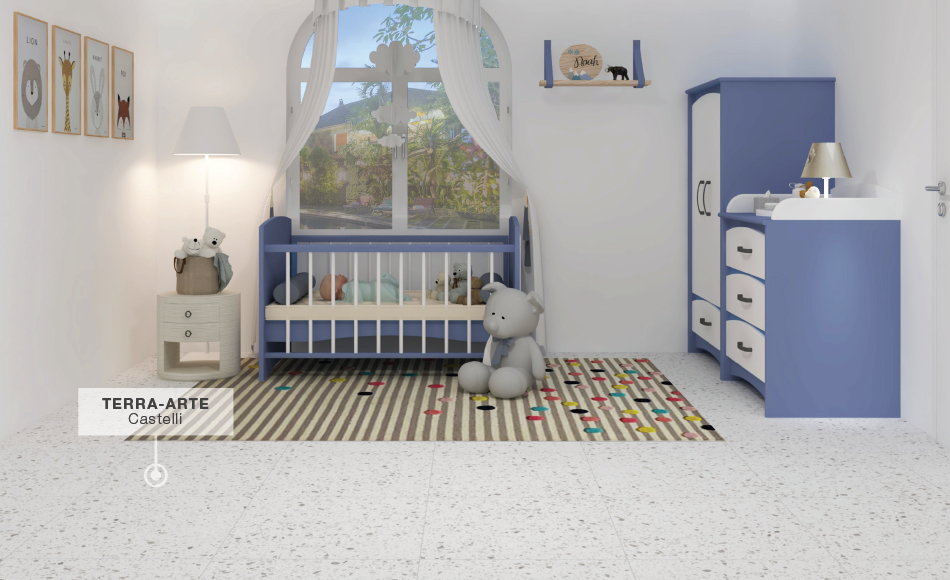
1. Flexible Nursery Design for Growing Families
A nursery should be designed with adaptability in mind, ensuring the room remains functional as the child grows.
Design Essentials
- Soft, calming colour palettes
- Neutral tones that suit changing preferences
- Flexible layouts for additional furniture
- Minimal clutter for a peaceful environment
This approach creates a nursery that transitions easily from baby room to toddler bedroom.
2. Dedicated Play Areas That Encourage Creativity
Creating a separate play zone helps children explore, imagine, and learn independently.
Practical Ideas
- Transform unused corners into play nooks
- Add open shelving for toy organisation
- Include activity tables for drawing and crafts
- Ensure the area remains visible for supervision
Dedicated play spaces can help keep bedrooms organised while encouraging imaginative development.


3. Sports-Themed Bedrooms for Active Children
Sports-inspired bedrooms are ideal for energetic children who need both function and open space.
Key Features
- Clear floor space for movement and activities
- Organised storage for sports equipment
- Durable surfaces for daily wear
- Dedicated study areas for homework and reading
This design style supports active lifestyles while maintaining practicality.
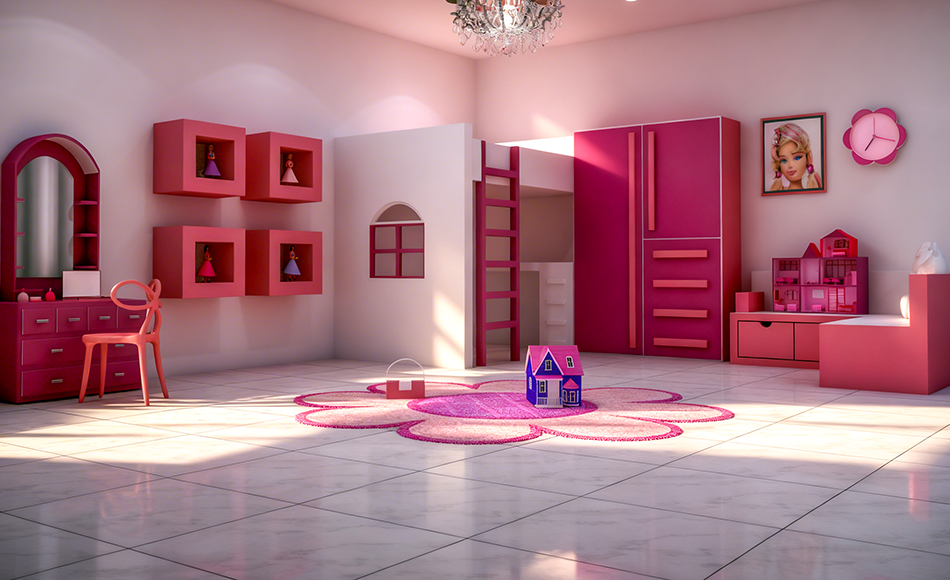
4. Imaginative Bedrooms for Creative Play
Fantasy-inspired spaces can stimulate storytelling and imaginative play.
Styling Tips
- Use soft feature colours such as blush or pastel tones
- Incorporate themed décor through removable accessories
- Maintain neutral furniture for long-term flexibility
This allows the room to reflect a child’s personality without requiring major redesigns later.
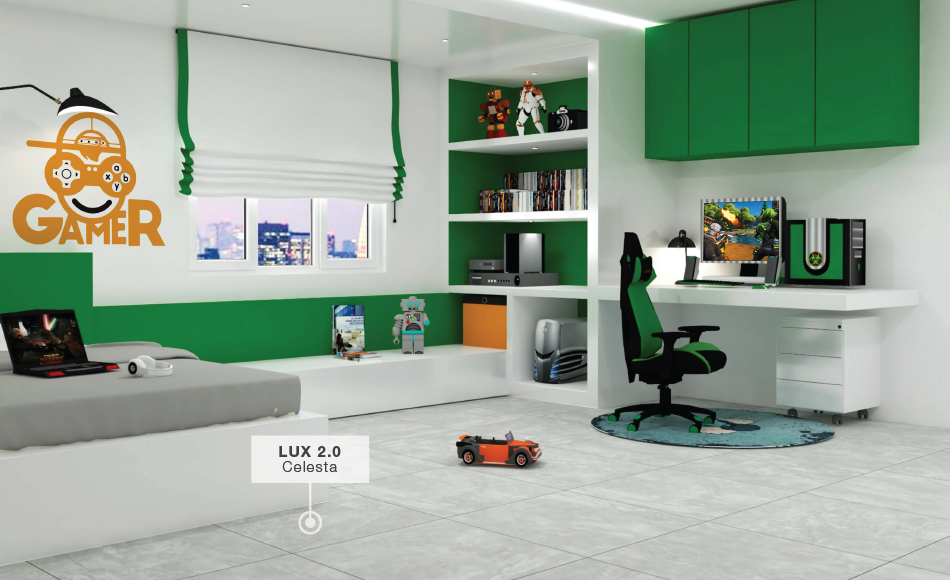
5. Gaming Rooms for Modern Lifestyles
Gaming-inspired bedrooms are increasingly popular as digital entertainment becomes part of daily life.
Essential Design Elements
- Built-in storage for games and accessories
- Comfortable desk and chair setup
- Neutral flooring and walls to complement LED lighting
- Cable management for a clean finish
This setup creates a practical and organised multi-functional bedroom.
6. Nature-Inspired Rooms for a Calming Environment
Nature-themed interiors remain a growing trend in modern kids’ bedroom design.
Popular Features
- Wood-look finishes and furniture
- Green accents and earthy tones
- Botanical-inspired décor
- Neutral styling suitable for shared bedrooms
Nature-inspired spaces create a timeless and calming atmosphere suitable for all ages.

Key Tips for Designing a Functional Kids’ Room
Prioritise Flexibility
Choose furniture and layouts that adapt as children grow.
Focus on Storage
Integrated storage solutions improve organisation and reduce clutter.
Select Durable Materials
Use surfaces that are easy to maintain and suitable for daily activity.
Frequently Asked Questions (FAQs)
Q: What makes a good kids’ room design?
A: A good kids’ room balances creativity, practicality, comfort, and adaptability for different growth stages.
Q: How can I design a kids’ room that lasts longer?
A: Use neutral base colours, timeless furniture, and update the space with removable décor over time.
Q: What colours are best for children’s bedrooms?
A: Soft neutrals, earthy tones, and pastel shades are popular for creating calming yet playful environments.
Q: How do I maximise space in a small kids’ room?
A: Use vertical storage, multi-functional furniture, and dedicated zones for sleep, study, and play.
Q: What flooring is suitable for kids’ bedrooms?
A: Durable, easy-to-clean flooring such as porcelain tiles is ideal for children’s spaces.





