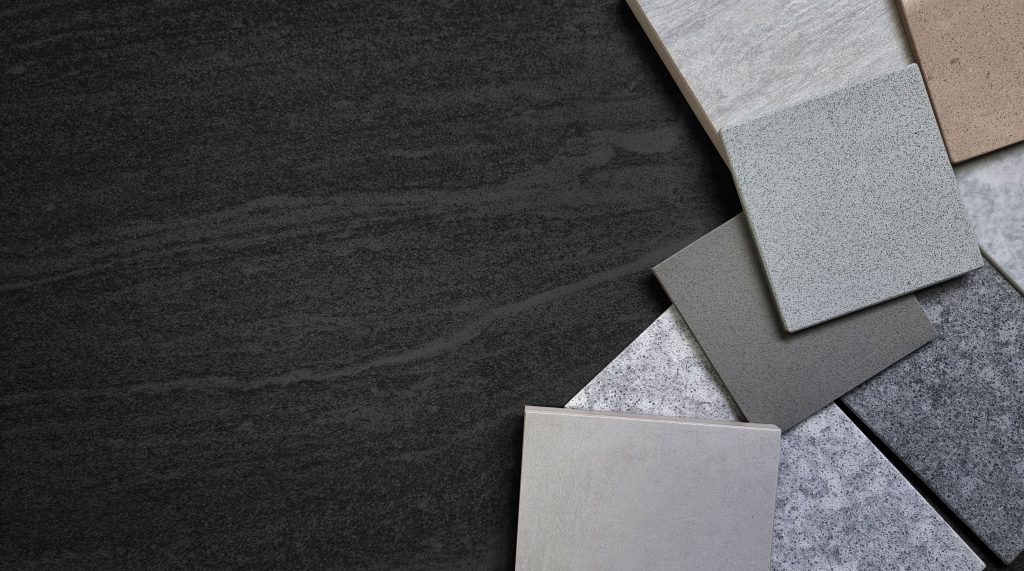
Different Types of Porcelain Tile Bodies
Porcelain tiles vary by body composition, affecting durability, appearance, and application. From fully consistent homogeneous tiles to cost-effective double-layer options, each type serves different needs. Understanding these differences helps you select the right tile for traffic levels, design intent, and long-term performance across residential and commercial spaces.
What Defines a Porcelain Tile Body?
Porcelain tiles are made from refined clays fired at high temperatures. Variations in composition and manufacturing create different tile body types—each offering distinct levels of strength, wear resistance, and visual consistency.
4 Main Types of Porcelain Tile Bodies

1. Homogeneous Body Tiles
Homogeneous tiles have consistent colour and design throughout the entire thickness.
Key features:
- Surface and body are identical
- Highly durable and wear-resistant
- Ideal for heavy-use environments
Best for:
- Residential: kitchens, corridors, terraces, bathroom floors
- Commercial: retail spaces, public walkways, schools, airports, transport hubs
2. Full Coloured & Speckled-Body Tiles
These tiles are designed so that the body closely matches the surface colour.
Key features:
- Colour pigments or speckles run through the tile body
- Surface and interior remain visually consistent
- Speckled designs enhance aesthetic texture
- Improved durability due to colour continuity
Best for:
- Residential: kitchens, backsplashes, countertops, corridors
- Light commercial: offices, reception areas, interior walls
- Heavy traffic: retail shops, public areas, airport concourses


3. Double Loading (Double Layer) Tiles
Double loading tiles consist of two fused layers.
Key features:
- Top layer (~3mm) contains design material
- Base layer is typically off-white
- Layers are compressed under high pressure and heat
- Durable surface at a more cost-effective price point
Best for:
- Medium to heavy traffic areas
- Projects requiring durability with budget efficiency
4. Off-White Body Tiles
These tiles feature a surface design layer over a lighter base body.
Key features:
- Design exists primarily on the surface
- Protected by a glazed finish
- Offers a wide range of aesthetic designs
Best for:
- Residential: halls, bedrooms, kitchens, balconies, bathrooms
- Light commercial: office interiors, reception areas
- Not recommended for heavy-duty entry points

How to Choose the Right Tile Body
Consider the following when selecting porcelain tiles:
- Traffic level: Light, medium, or heavy use
- Durability needs: Resistance to wear and impact
- Design preference: Surface consistency vs decorative finish
- Budget: Balance between performance and cost
Frequently Asked Questions (FAQ)
Q: What is the most durable type of porcelain tile?
A: Homogeneous body tiles are the most durable as their colour and structure run throughout the entire tile.
Q: Are speckled-body tiles purely decorative?
A: No. They combine aesthetic appeal with durability, making them suitable for both residential and commercial use.
Q: What is the advantage of double loading tiles?
A: They offer a durable top layer with a more cost-effective structure, balancing performance and budget.
Q: Where should off-white body tiles be used?
A: They are best suited for light to moderate traffic areas such as homes and low-impact commercial spaces.
Q: Why does tile body type matter?
A: It determines durability, wear resistance, and suitability for different environments, ensuring the right performance for each application.