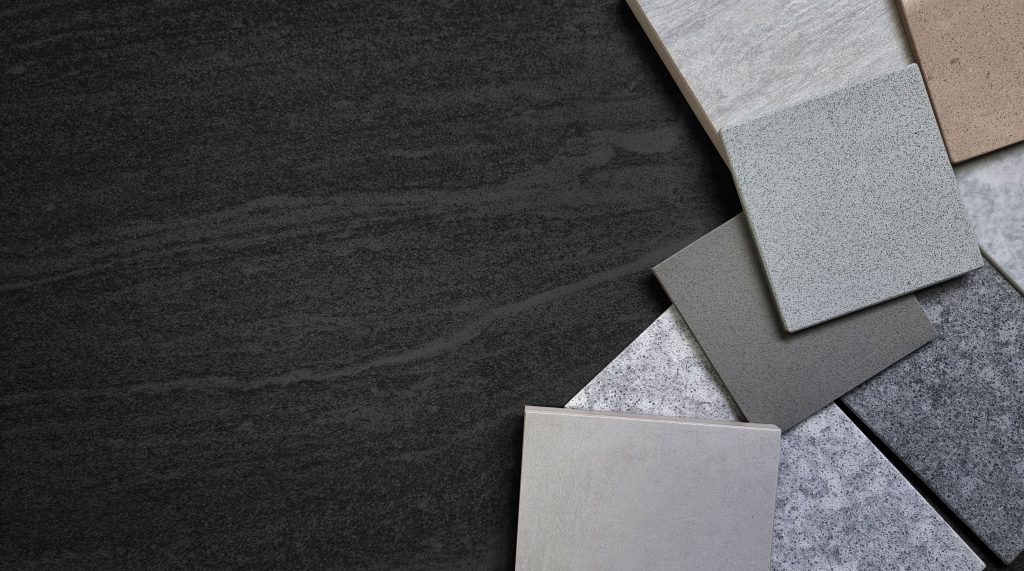
The Difference between Porcelain vs Ceramic tile
Porcelain and ceramic tiles differ in durability, water absorption, and application. Porcelain tiles are denser, more water-resistant, and suitable for high-traffic or wet areas, while ceramic tiles are more affordable and easier to install, making them ideal for light-use indoor spaces such as walls and low-traffic floors.
Porcelain vs Ceramic Tiles: Key Differences Explained
Porcelain and ceramic tiles may appear similar, but they differ significantly in performance, durability, and usage. Understanding these differences helps you select the right tile for each space.
What Are Porcelain and Ceramic Tiles?
| Porcelain Tiles | Ceramic Tiles |
|
|

Porcelain vs Ceramic Tiles: Quick Comparison
Here is a clear comparison between porcelain and ceramic tiles:
| Feature | Porcelain Tiles | Ceramic Tiles |
| Water Absorption | Less than 0.5% (highly water-resistant) | Higher absorption |
| Durability | High, suitable for heavy use | Moderate, for light use |
| Application | Indoor & outdoor, wet areas | Mainly indoor, dry areas |
| Surface Strength | Dense and hard | Softer compared to porcelain |
| Cost | Higher | More affordable |
| Installation | More difficult | Easier to cut and install |
Where to Use Each Tile Type
Choose Porcelain Tiles For:
- Bathrooms and kitchens
- Outdoor areas and patios
- High-traffic residential or commercial spaces
- Areas exposed to moisture
Choose Ceramic Tiles For:
- Interior walls
- Low-traffic rooms
- Decorative applications
- Budget-conscious projects

Key Takeaway
Porcelain tiles offer higher performance, durability, and water resistance, making them ideal for demanding environments. Ceramic tiles provide a cost-effective and practical solution for lighter indoor use.
Frequently Asked Questions (FAQs)
Q: What is the main difference between porcelain and ceramic tiles?
Porcelain tiles are denser, less porous, and more durable than ceramic tiles.
Q: Which tile is better for bathrooms?
Porcelain tiles are better due to their low water absorption and higher durability.
Q: Are ceramic tiles suitable for floors?
Yes, but only in low-traffic indoor areas.
Q: Why are porcelain tiles more expensive?
They use finer materials and higher firing temperatures, resulting in better performance.
Q: Can porcelain tiles be used outdoors?
Yes. Their durability and water resistance make them suitable for exterior applications.